
THIS YEAR AT
-TT-
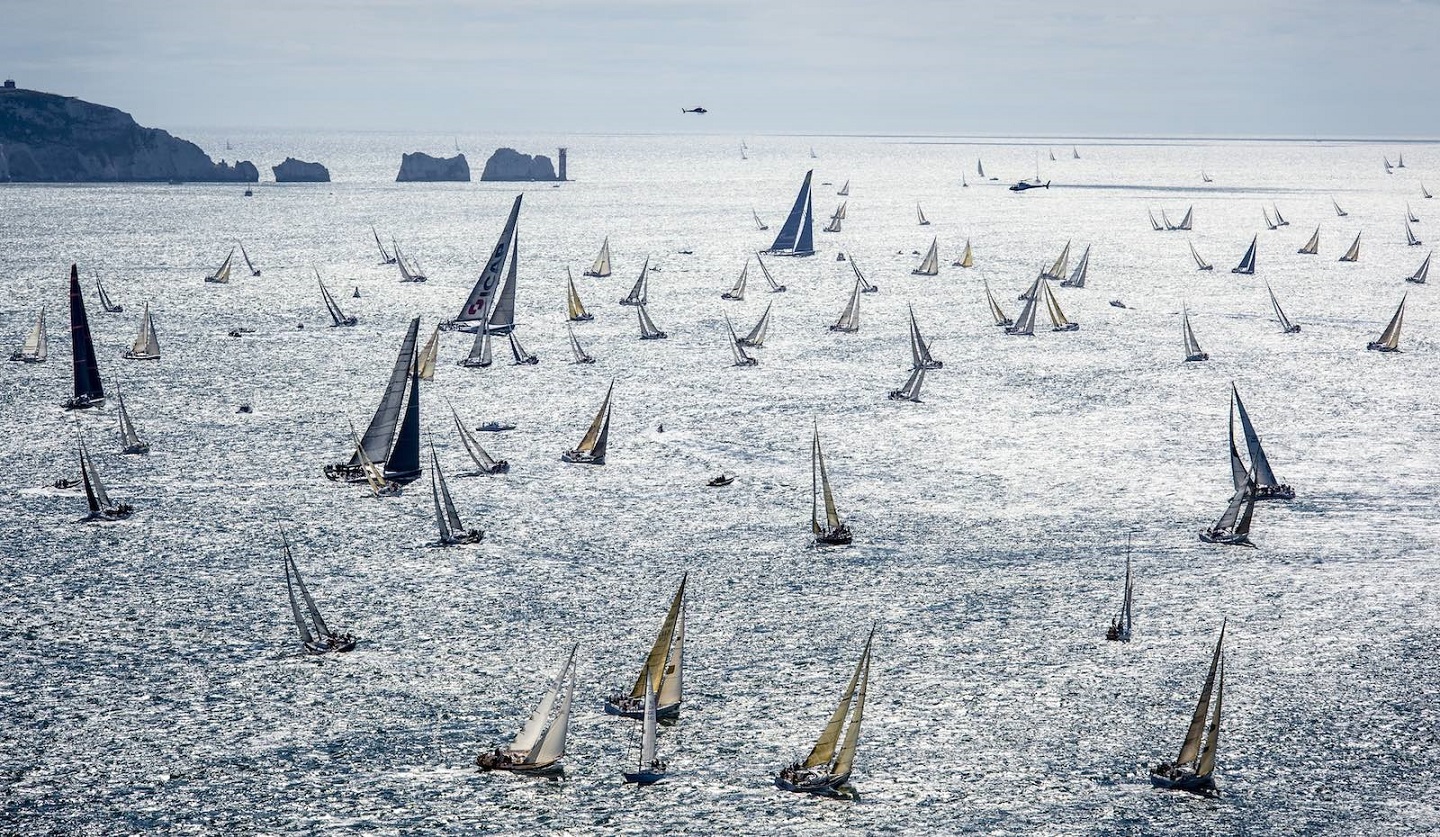
The Fastnet Race and the vast number of boats of all sizes.
Thinking the Future of Sailing
Wondering who is imagining the future of sailing today may sometimes be met with an empty stare, or if you are french, with a shrug of the shoulders, and in that worldwide dialogue, naval architects have historically and continue to play an important role: we imagine new uses, push technology forward and create some of the stories that inspire people. In a way architects “think the world”. Sometimes we follow the movement and sometimes we create it.
And to innovate with technology is a difficult exercise as it requires reviewing every small part of a design, and having to comply with the unbreakable laws of physics and also economics. With each project, the market (you!) decide whether the vision we develop for the future can grow and prosper. And it is precisely that exercise of difficult balance at high speed and high level that we love and seek.
While we are bound by these laws, it’s become clearer that this is what differentiates us today from those who innovate in the social sciences and that they can benefit, momentarily at least, from the magic of distancing themselves from their own laws (prosperity, peace) and selection (elections). Those in Europe who imagine new theories are going ‘through their things’ now, and in strong contrast, the private sector and sailing continues to evolve and progress. And it’s good fun!
New boat models, new races, new ways of communicating driven by drones and social media, more engaged reference/print media, and great events that bring people together. Racing events that succeed in simultaneously recognising talent, and for all. Not such a bad achievement.
The Admiral’s Cup has proven this year the level of racing in IRC can be really exciting, and I see increased demand from one design classes, to join the more recognized events. Building one’s boat and racing in such prestigious races, that’s another dimension than just sailing, and one to explore.
The need to go to sea, to create, and to push beyond one’s limits has always existed and will always exist.
Throughout time, boats have been built wherever it made sense, sometimes along trade routes for the smaller ones, sometimes at their place of use for the larger ones.
We wish you to keep dreaming but also to move forward and to have fun, we are here for it!

Joseph Wright, a philosopher and the orrery
2025, an exceptional year
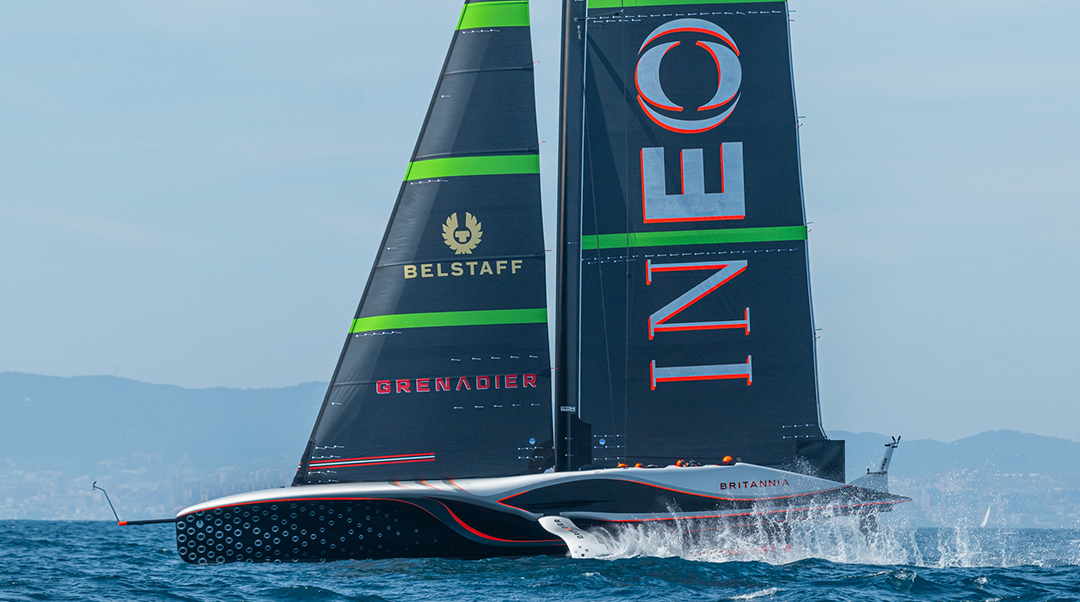
In just twelve months, we won the Louis Vuitton Cup with INEOS Britannia, commercially launched our Daysailer l’Ete, met people interested in this design all around the world, tested our racing app concept with Mariska, and designed the boat for the future Naval Architecture School of Toulon, the first of its kind in France.
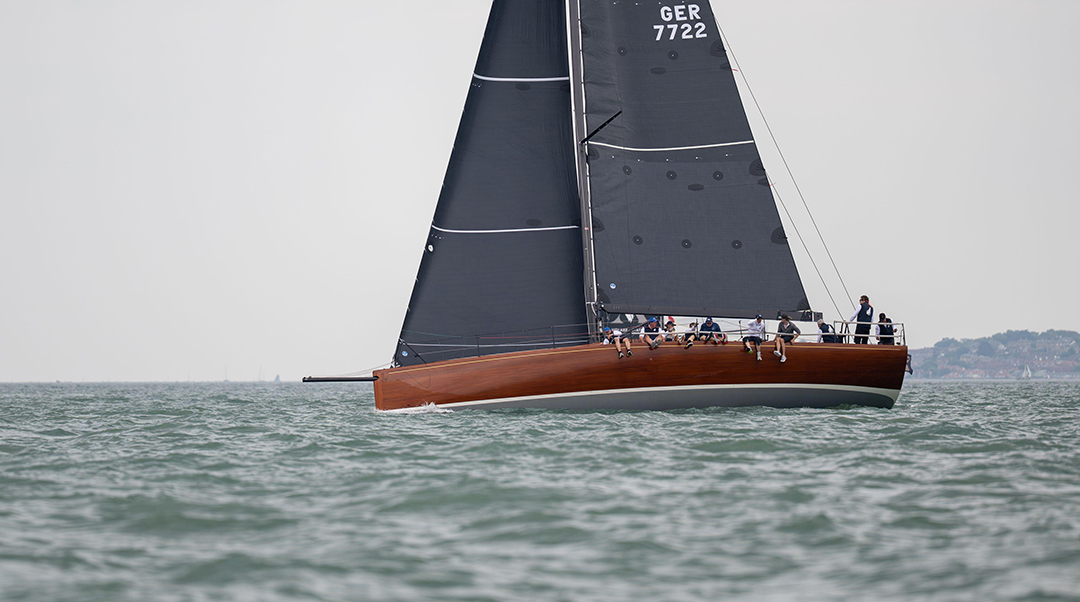
The year concluded in remarkable fashion with Elida’s second place at the Rolex Fastnet Race, ahead of the latest Wally. A satisfaction, for us and our clients, and for Elida and her owner. People start to realise she is not only just ‘beautiful’.
These successes are, above all, collective, they come from the shipyards, suppliers, partners, and passionate owners we support in their projects. This supporting aspect becoming stronger and stronger as we contribute with experience from all sides of sailing to help you bring your own project to life.
They are also the result of the outstanding work of my team who work on plans, renderings, strategy, performance studies to bring each vision to life.
For those of you who have been following us for a long time we are also bringing new improvements here and there to the website (now in several languages, with cleaner aesthetics) and the branding that must match the forever raising level of our designs, with the aim to continue in expanding and reflecting sailing culture.
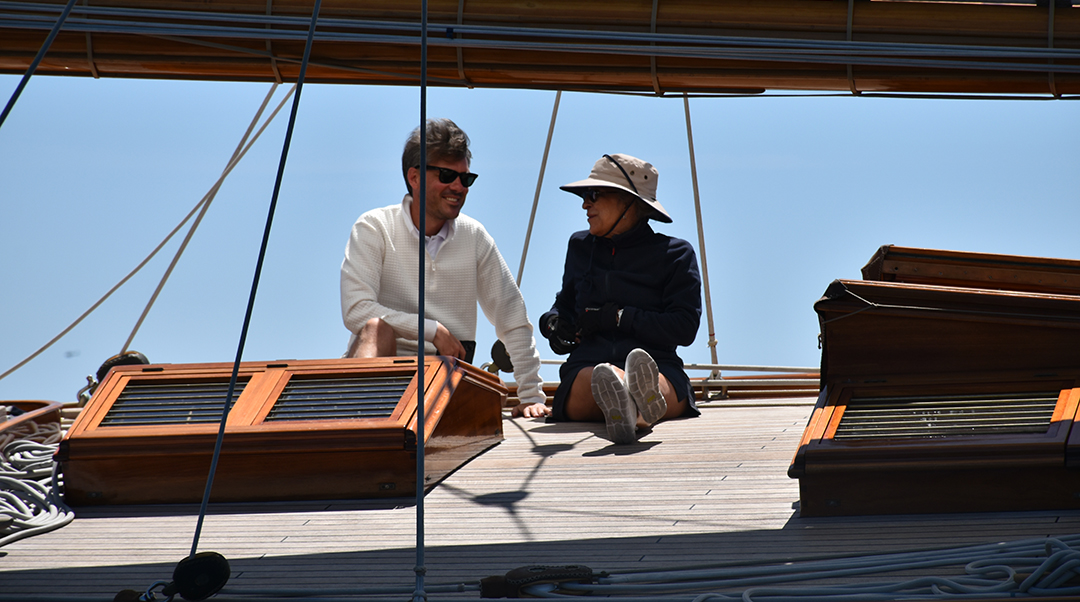
Company philosophy and key changes
Project after project, the company’s philosophy is becoming clear : to contribute to technological progress, support sailing and the local economy in a pragmatic manner, share and spread knowledge, and remain firmly oriented towards the future. These pillars haves always been there.
When I started, I have envisioned the creation of my manufacturing facilities as a kind of mini America’s Cup: a first year of design and testing, a second which we enter now of construction, a third devoted to sailing, and a fourth to celebrate.
At the end of this first year of testing, the decision was made to relocate our activities in the Var Region. I would like to warmly thank the teams of the Alpes-Maritimes department, the Port of Villefranche-sur-Mer, and the city for their support, and wish them all the very best for the future.
All operations are moving to the Var Departement, arrangements are being made. This new location will offer modern facilities, an environment for our clients, build on existing private investment, lower cost of land use, area for expansion between 90 and 350 m² initially with access to all major ports along the coast, from Saint-Tropez to Monaco, for more flexibility.
I look forward to this change, which will provide a stronger foundation for developing the next stages of the company in the years ahead.
Setting course for 2026
2026 is shaping up to be particularly promising, but with increasing focus:
• The launch of the Airborn Foiler, the single-handed foiling dinghy to train for the America’s Cup and other high speed foiling platforms
• The construction of our own boats, supported by a clear and structured vision
• A line of carbon fibre yachting equipment already under built by CSC composite in Turkey, expert in the field
Beyond sailing, exciting products are being developed for interiors, outdoor and sports equipment, tied into the world of sailing.
On the design side, our approach to naval architecture places us at the heart of major contemporary movements. In recent months, we have had the pleasure of receiving enquiries from the French state (defence), the superyacht world, and serial yacht production. We encourage you to get in touch.
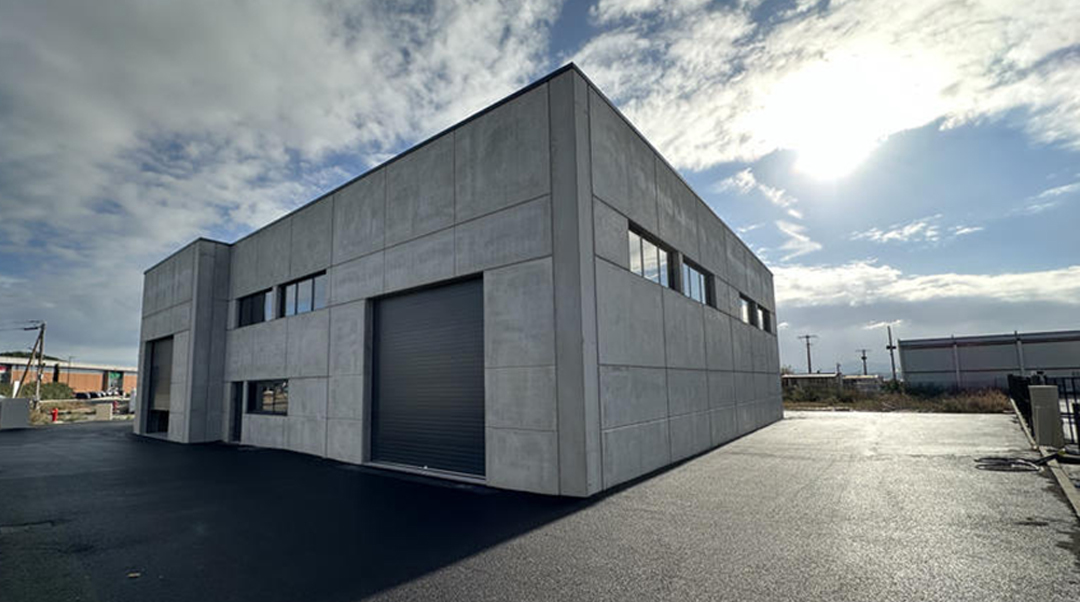
I look forward to this change, which will provide a stronger foundation for developing the next stages of the company and in the years ahead.
DESIGN TRENDS
What if the America’s Cup was ahead of its time, once more?
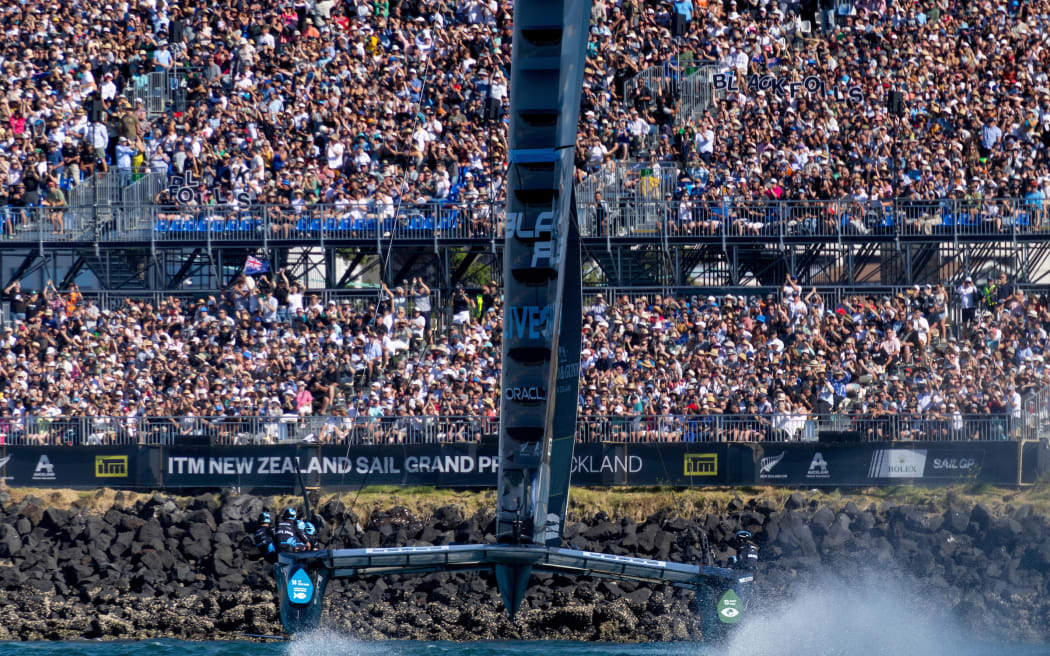
SailGP
With the development of SailGP and the America’s Cup, the foiling movement is step by step becoming more global and attracting greater public.
That the America’s Cup turn toward the general public and sponsors, and on the other hand that visionary billionaires now look to space after the sea for exploration and fun, all of this ultimately makes sense.
But this foiling movement is not finished and having contributed to its development from the early days it’s astonishing to see. There is one more final step left: reaching the greater sailing public and connecting the foiling movement with sailing.
In just a few weeks, we will invite you to discover the Airborn Foiler, a true “iPhone moment” for sailing just for this aim of connecting sailors and ‘high speed sailors’. And I’m sure many people will realize that something was missed, a big revolution that’s never reached the public, that makes all the difference.
While the America’s Cup may be ahead, it has long been more than just a competition with a combined R&D budget comparable to the ESA solar orbiter research program, as an example. We hope it will continue to play this role for sailing and technology (composite materials, fluid science, etc…) other than to change the show from time to time!
Interior: less is more for the latest forty footers
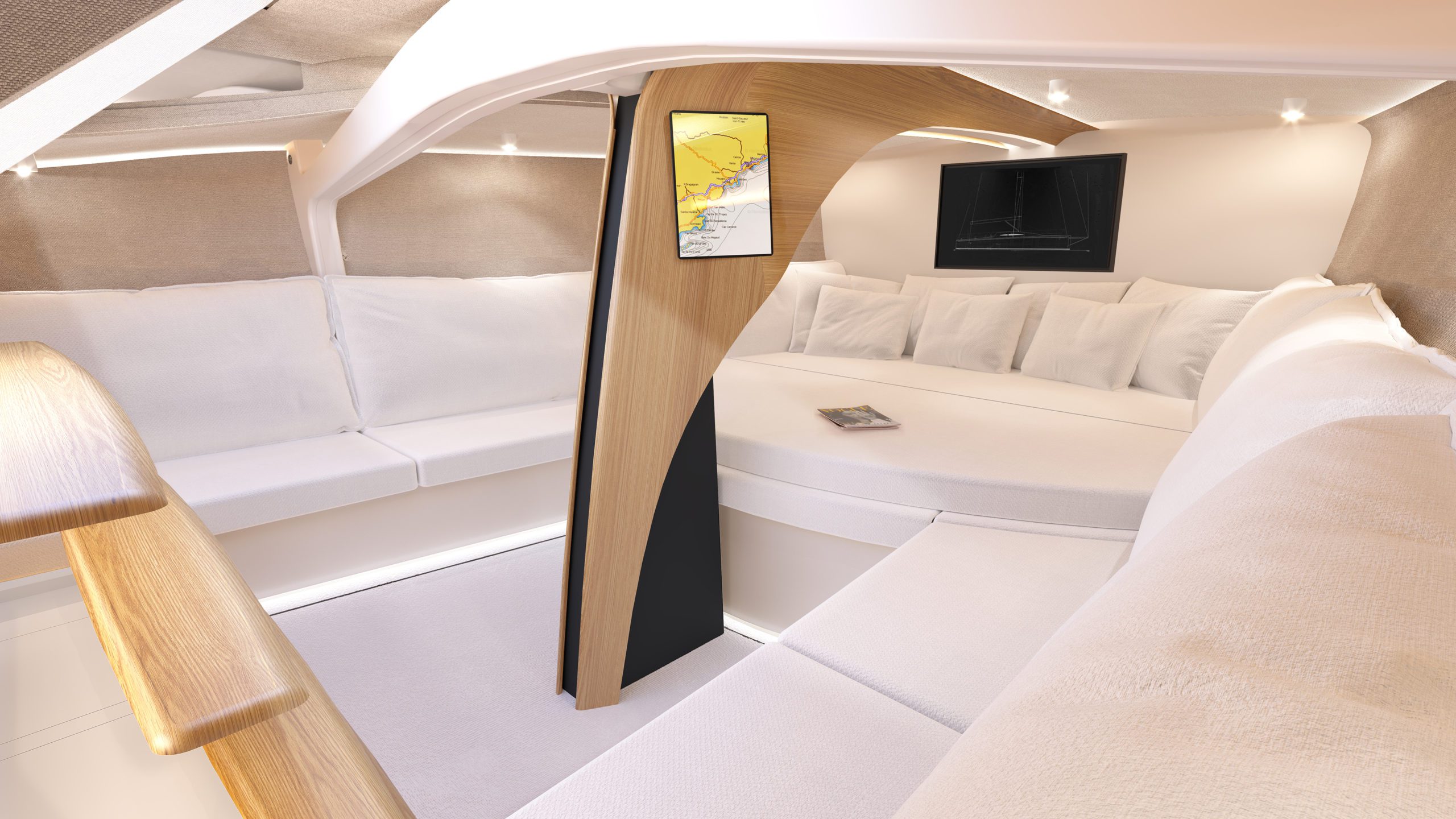
The wide open interior of l’Ete
When L’Été was conceived, the starting point was a racing yacht and the objective was to keep that important pure performance.
From that premise, the interior concept naturally emerged: light, open, and intentionally minimal, with many functions deliberately shifted ashore to nearby hotels, restaurants, and marinas.
In the Mediterranean, marinas are abundant and often less than 20 nautical miles apart. Spending a single night on board, having breakfast, and occasionally enjoying prepared meals is, in most cases, more than sufficient and by prioritising speed and offshore capability, the boat gains the ability to reach more distant destinations quickly.
From this perspective, L’Été may be one of the most practical solutions available.
Recently others have attempted to solve the same challenge by retaining a full interior while using extensive carbon fibre to reduce weight. In our experience, this approach rarely delivers the expected savings: composites only reduce weight effectively when they are highly loaded.
More recently, boats such as the X-Yachts XR41 have explored modular interiors with removable units. While the concept is interesting, available images suggest a substantial amount of furniture to be removed (!) In practice, it is difficult to imagine most sailors being able to store the equivalent of an apartment’s contents in a 40-foot container, and how often?
What really is interesting is this shift of desire, towards simpler faster boats: more performance, more sailing pleasure. And of course it makes sense to benefit from the interior volume when needed.
As with many things in life, it probably comes down to choosing the balance of interior and practicality you want, in real life.
Recent Comments